
Fear, Hatred, and the Middle Classes
M: Son of the CenturyThis flow traces how postwar insecurity is converted into fascist support by offering a target for fear and a promise of restored status.
increasing Bearing strength in each event
 decreasing
Bearing strength in each eventdecreasingA Society after War

The Return Is Not Peace
Veterans and Civilians
Millions return from war to unemployment, inflation, and social conflict. Veterans feel neglected, while workers and middle-class families face shortages and uncertain futures.
Fear of Another Upheaval
The threat of revolution becomes a lens through which everyday hardship is interpreted. Political actors can mobilize people by promising an end to uncertainty, even when they contribute to its violence.
The Middle Class Feels Besieged
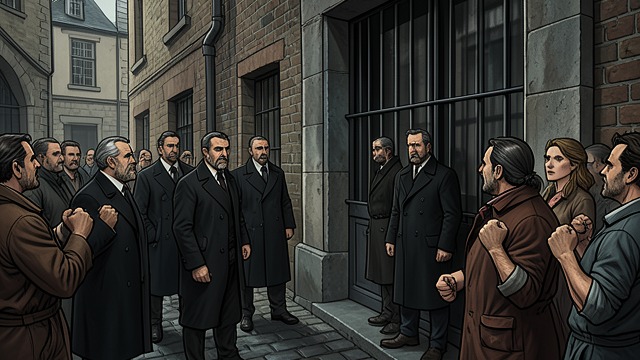
Property and Status at Risk
Strikes and Occupations
Labor disputes and factory occupations alarm industrialists, shopkeepers, civil servants, and small proprietors. Economic demands are experienced as a challenge to their social position as well as to property.
A Market for Protection
Fascists offer organized force against socialist power. People who had previously avoided politics begin to accept violence as a possible price for security.
Fear Changes Currency
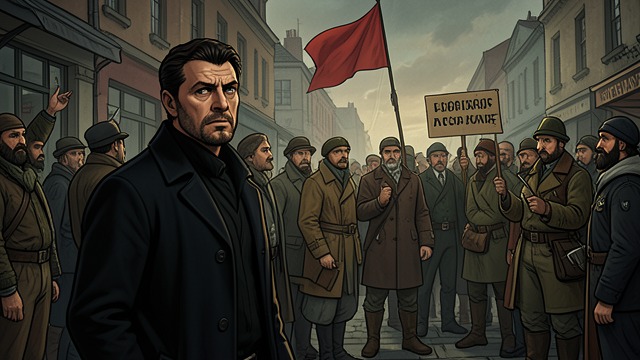
From Panic to Hatred
The Fear of Revolution
News of strikes, peasant leagues, and socialist victories gives the middle classes a sense that the old order may disappear. Fascist rhetoric identifies a visible enemy for this anxiety.
Joining the Attack
Some supporters move from passive fear to active hostility, joining squads or financing them. The promise of protection is paired with permission to dominate those who appear weaker.
A Strong Man Is Welcomed
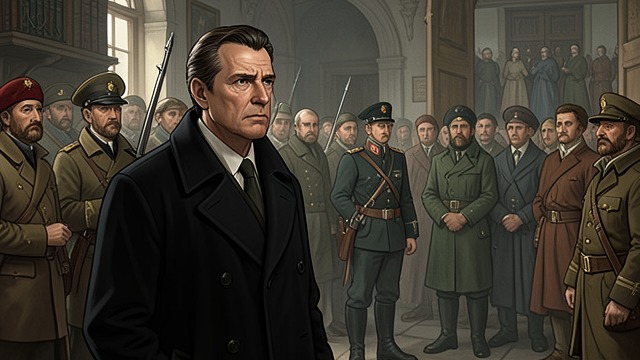
The Desire for Order
Exhaustion with Politics
The repeated crises of coalition government and street conflict leave many people hoping for a decisive leader. Mussolini presents himself as the person who can end both revolutionary disorder and parliamentary hesitation.
Consent under Anxiety
Support is not simply enthusiastic or freely chosen. Fear, exhaustion, and calculation make acquiescence seem safer than resistance, even among people who dislike fascist violence.
Peace as Submission

The Promise of Quiet
A Nation Wants Rest
After years of strikes and political violence, many Italians welcome an appearance of calm. Mussolini presents authority as a remedy for exhaustion and disorder.
A Costly Repose
The new quiet depends on censorship, intimidation, and the removal of organized opposition. The public’s wish to sleep through conflict becomes a political resource for dictatorship.
1919
1920
Late 1920
October 1922
1923–1924
